Keep Your Trees Thriving with Preventative Tree Care Tips
Essential Routine Tree Maintenance for Healthy Trees: Expert Preventative Care and Arborist Inspections
To ensure reliable tree care for Ocala residents, the approach includes regular assessments of tree conditions, using proven methods, and safely removing hazards. The focus is on routine health checks and precise trimming to maintain tree health, which is integral to community aesthetics. This systematic and expert-driven care builds trust among clients and minimizes risks while supporting safe and affordable work locally.
What Is Essential Routine Tree Maintenance and Why Is It Important?
Essential routine tree maintenance includes regular health checks, precise trimming, and proactive care to ensure trees remain healthy and safe. It is important because it reduces long-term care expenses, prevents costly removals, and enhances property value. Regular maintenance can lead to a reduction in maintenance costs and an increase in property value, and improved tree health, ultimately benefiting homeowners and the community. (Note: Specific percentage claims such as a 15% reduction in maintenance costs and a 20% increase in property value lack universally verified data and may vary by region and property.)
Further research underscores the significant financial implications of both consistent tree maintenance and the neglect of urban forestry.
Economic Impact of Tree Maintenance & Neglect
This paper presents the results of a literature review on the “Costs of Not Maintaining Trees” commissioned by the ISA Science and Research Committee. The authors summarized the literature from within the field of arboriculture/urban forestry to answer the questions: What are the costs of maintaining trees and the urban forest? And, What are the costs of not maintaining trees? Present here is a detailed summary of the literature on the costs of maintenance and lack of maintenance for types of tree care commonly included in municipal budgets (planting, pruning, removal, pest and disease management) and a brief review of costs associated with less-studied types of tree care (including tree risk management; watering; mulching; fertilizing and nutrient management; staking, cabling
The costs of maintaining and not maintaining the urban forest: A review of the urban forestry and arboriculture literature, J Vogt, 2015
How Does Preventative Tree Care Support Long-Term Tree Health?
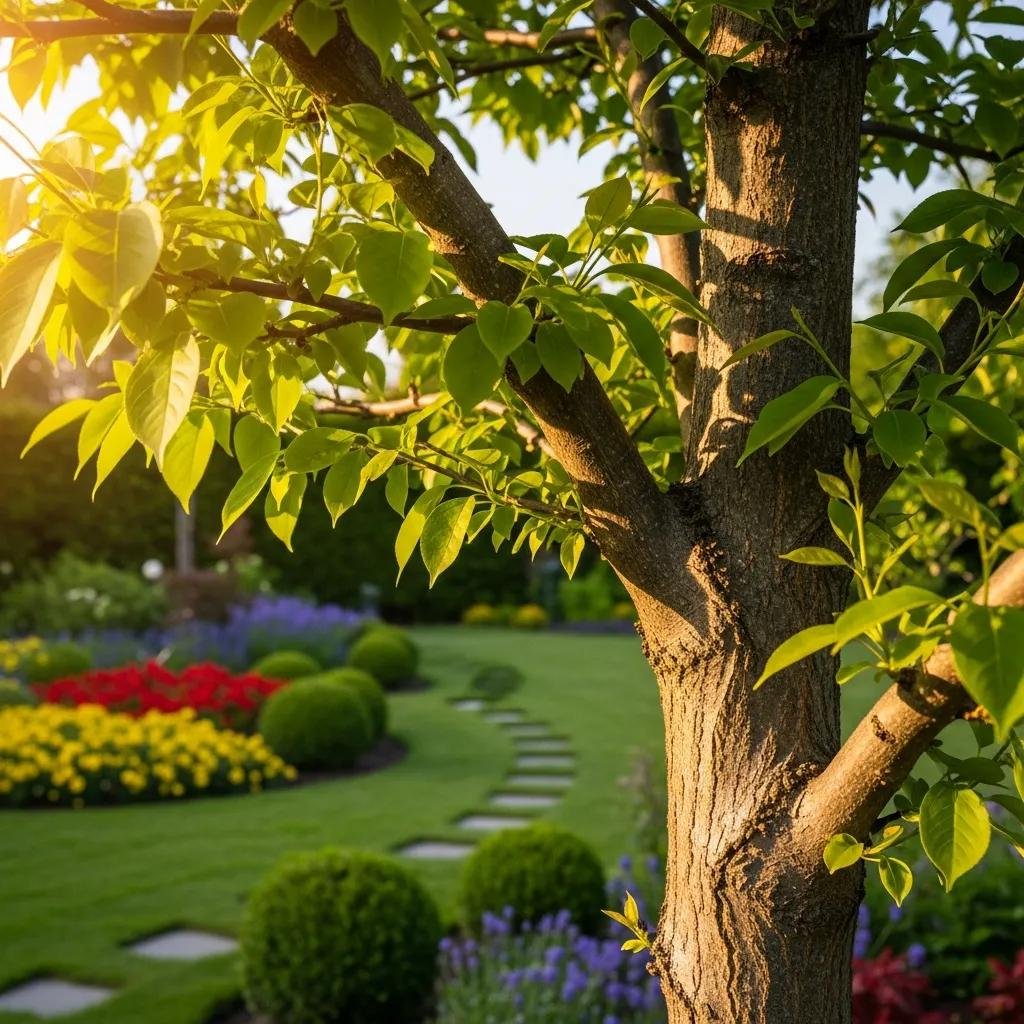
Preventative tree care supports long-term tree health by reducing long-term care expenses, avoiding costly removal fees, and preventing damage from pests or disease. Timely treatments and regular maintenance help maintain tree vitality, which in turn preserves property value and enhances curb appeal. This proactive approach leads to cost savings over time and ensures stronger, enduring growth for the trees.
What Benefits Do Property Owners Gain from Regular Tree Maintenance?
Property owners gain several benefits from regular tree maintenance, including:
- Reduced Expenses: Homeowners can lower maintenance costs.
- Improved Tree Health: Regular care leads to stronger, healthier trees, enhancing growth.
- Increased Property Value: Effective tree maintenance can boost property market value.
- Enhanced Curb Appeal: Proper care improves the overall aesthetics of the property.
These benefits contribute to long-term savings and improved property management.
How Do Certified Arborists Conduct Tree Health Inspections?
Certified arborists conduct tree health inspections by regularly assessing tree conditions, using proven methods, and performing routine health checks. They focus on precise trimming and health management to foster healthy growth and ensure safe outcomes for trees. Their approach includes monitoring tree conditions, recommending necessary treatments, and employing established procedures to deliver dependable tree care.
What Are the Key Components of a Professional Arborist Tree Health Assessment?
A professional arborist tree health assessment typically includes evaluating the tree’s overall condition, inspecting for signs of disease or pest infestations, and assessing structural integrity. Arborists also consider environmental factors such as soil health and surrounding vegetation, which can impact tree vitality. This comprehensive evaluation ensures that all aspects of tree health are addressed.
When Should You Schedule an Arborist Inspection for Your Trees?
You should schedule an arborist inspection for your trees when you need a health assessment, during routine health checks, or if you notice any signs of distress or hazards. Regular inspections help maintain tree health and reduce long-term care expenses.
What Are the Best Tree Pruning Techniques for Vitality and Safety?
Effective tree pruning techniques are essential for maintaining tree health and safety. Proper pruning not only enhances the tree’s structure but also promotes healthy growth and reduces the risk of falling branches.
How Does Routine Tree Pruning Improve Tree Structure and Growth?
Routine tree pruning improves tree structure and growth by enhancing tree health, which can lead to stronger, enduring growth. Regular maintenance, including timely pruning, helps reduce long-term expenses and can increase property value. Proper pruning techniques foster healthy growth and ensure safe outcomes for trees, contributing to overall tree vitality and aesthetic appeal.
Which Pruning Methods Are Recommended for Central Florida Tree Species?
In Central Florida, recommended pruning methods include crown thinning, crown raising, and crown reduction. These techniques help improve air circulation, reduce weight on branches, and maintain the tree’s natural shape. It’s essential to use proper tools and techniques to avoid damaging the tree and to ensure optimal health.
How Should You Implement Routine Tree Health Maintenance Practices?
To implement routine tree health maintenance practices, focus on the following:
- Regular Assessments: Conduct routine health checks to evaluate tree conditions.
- Precise Trimming: Use skillful trimming techniques to promote healthy growth and maintain aesthetics.
- Proactive Treatments: Address any signs of pests or disease promptly to prevent costly damage.
- Comprehensive Care: Include services like pruning, trimming, removal, and health management in your maintenance plan.
- Customer Engagement: Communicate with homeowners to tailor services to their specific needs and ensure satisfaction.
- Follow-Up: Implement careful follow-up practices to build trust and ensure ongoing tree health.
What Are Proper Watering and Fertilization Techniques for Healthy Trees?
Proper watering and fertilization techniques are crucial for maintaining healthy trees. Trees should be watered deeply and infrequently to encourage deep root growth. Fertilization should be based on soil tests to ensure that trees receive the necessary nutrients without over-fertilizing, which can harm the tree and the environment.
How Can Disease Prevention Be Integrated into Regular Tree Care?
Disease prevention can be integrated into regular tree care through routine health checks, precise trimming, and timely treatments recommended by tree care professionals. These proactive measures help monitor tree conditions, prevent hazards, and maintain overall tree health, which ultimately reduces long-term care expenses and enhances property value.
Routine Tree Health Checks & Preventative Care by Expert Arborists
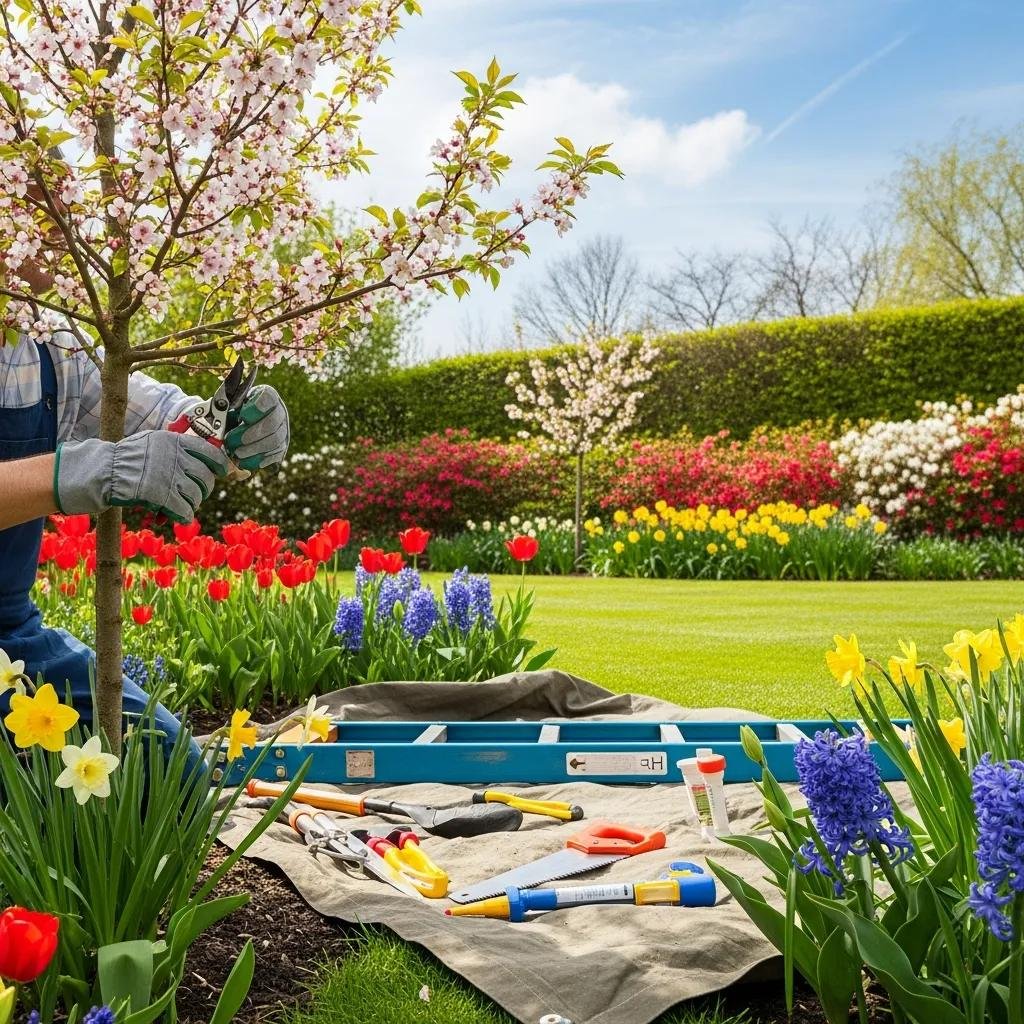
Seasonal tree care is vital for maintaining tree health throughout the year. Different seasons require specific maintenance tasks to ensure trees thrive.
Which Tree Maintenance Tasks Should Be Performed Each Season?
Essential seasonal tasks include:
- Spring: Inspect for pests and diseases, and perform necessary pruning.
- Summer: Ensure adequate watering during dry spells and monitor for heat stress.
- Fall: Clean up fallen leaves and debris to prevent disease and prepare for winter.
- Winter: Conduct structural pruning and protect young trees from frost.
How Does Seasonal Care Mitigate Storm Damage Risks?
Seasonal care helps mitigate storm damage risks by ensuring trees are healthy and structurally sound before severe weather events. Regular pruning and maintenance reduce the likelihood of broken branches and fallen trees during storms, protecting both the trees and surrounding property.
Why Choose Tree Service Near Me LLC for Professional Tree Care Plans?
You should choose Tree Service Near Me LLC for professional tree care plans because they offer customized savings, tailored guidance, and expert insights that improve customer experience. They provide flexible scheduling, continuous communication during services, and a commitment to maintaining tree health, which can reduce long-term expenses. Their services are backed by a strong safety record, and they are licensed and insured, ensuring reliable and quality care for your trees.
What Unique Value Does Tree Service Near Me LLC Offer in Routine Tree Maintenance?
Tree Service Near Me LLC offers unique value in routine tree maintenance through several key benefits:
- Customized Savings: Homeowners can save on overall tree maintenance expenses.
- Tailored Guidance: They provide precise recommendations that lead to improved outcomes.
- Expert Insights: Their expert teams offer insights to enhance the customer experience.
- Flexible Scheduling: They offer flexible appointment slots and can adjust schedules with short notice, leading to faster response times.
- Continuous Communication: Customers receive updates during service appointments, ensuring real-time communication.
- Long-Term Cost Reduction: Regular maintenance can reduce long-term expenses annually and improve tree health over time.
How Can Customers Benefit from Affordable, Certified Arborist Services?
Customers can benefit from affordable, certified arborist services in several ways:
- Cost Savings: Homeowners can save on tree maintenance expenses annually, which helps in managing their budgets effectively.
- Increased Property Value: Regular tree care can boost property value, enhancing the overall appeal and marketability of homes.
- Tailored Recommendations: Certified arborists provide personalized guidance and insights, ensuring that tree care is optimized for better health and outcomes.
- Flexible Scheduling: Services offer flexible appointment slots and quick adjustments, improving convenience for customers.
- Continuous Communication: Clients receive updates during service appointments, ensuring they are informed and satisfied throughout the process.
- Emergency Services: Affordable emergency tree services are available, which can minimize risks and reduce potential damage costs.
- Free Estimates: Homeowners can receive free estimates, allowing them to make informed decisions without unexpected expenses.
Overall, these services not only enhance tree health but also contribute to long-term savings and improved property aesthetics.
Frequently Asked Questions
What are the signs that my tree needs maintenance?
Signs that your tree may need maintenance include yellowing or wilting leaves, dead branches, visible pest infestations, and unusual growth patterns. Additionally, if you notice cracks in the trunk or mushrooms growing at the base, these could indicate underlying health issues. Regular inspections by a certified arborist can help identify these problems early, allowing for timely intervention and care to ensure the tree’s health and safety.
How often should I have my trees inspected by an arborist?
It is generally recommended to have your trees inspected by a certified arborist at least once a year. However, if your trees are older, have been recently planted, or show signs of distress, more frequent inspections may be necessary. Seasonal changes can also impact tree health, so scheduling inspections before and after major weather events can help ensure that your trees remain healthy and safe throughout the year.
What should I do if I notice a tree is leaning?
If you notice a tree is leaning, it is important to assess the situation promptly. A leaning tree can indicate root damage or instability, which may pose a risk of falling. Contact a certified arborist to evaluate the tree’s condition. They can determine whether the tree can be saved through corrective measures or if it needs to be removed for safety reasons. Do not attempt to fix the leaning tree yourself, as improper handling can lead to further damage or injury.
Are there specific tree care practices for different species?
Yes, different tree species have unique care requirements based on their growth habits, environmental needs, and susceptibility to pests and diseases. For instance, some species may require more frequent pruning, while others may need specific soil conditions or watering schedules. Consulting with a certified arborist can provide tailored care recommendations that align with the specific needs of your tree species, ensuring optimal health and growth.
How can I prepare my trees for extreme weather conditions?
To prepare your trees for extreme weather conditions, start by ensuring they are healthy through regular maintenance, including pruning and disease management. Before storms, remove any dead or weak branches that could break off. Additionally, consider applying mulch around the base to retain moisture and protect roots. For young or newly planted trees, staking may provide extra support. Consulting with an arborist can help you develop a comprehensive plan tailored to your local climate and tree species.
What are the environmental benefits of maintaining healthy trees?
Maintaining healthy trees provides numerous environmental benefits, including improved air quality, reduced urban heat, and enhanced biodiversity. Trees absorb carbon dioxide and release oxygen, contributing to cleaner air. They also provide habitat for wildlife and help prevent soil erosion. Furthermore, well-maintained trees can reduce energy costs by providing shade and cooling effects, making them essential for sustainable urban living and climate resilience.
Can tree maintenance help prevent pest infestations?
Yes, regular tree maintenance plays a crucial role in preventing pest infestations. Healthy trees are more resilient to pests and diseases, while stressed or damaged trees are more susceptible. Routine inspections and timely interventions, such as pruning and disease management, can help identify and address potential issues before they escalate. By maintaining tree health, you create an environment that is less attractive to pests, ultimately protecting your trees and property.