Comprehensive Property Tree Assessment for Business Safety
Tree Risk Assessments for Commercial Properties: Safety & Liability
In the realm of commercial property management, ensuring the safety of the landscape is paramount. A professional tree risk assessment is a critical process that evaluates the health and stability of trees on commercial properties, helping to mitigate potential hazards. This article will delve into the importance of tree risk assessments, the processes involved, and the common hazards that can affect commercial landscapes. By understanding these elements, businesses can protect their assets and enhance safety for employees and customers alike. We will also explore how certified arborist reports can support property management and liability protection, providing a comprehensive overview of tree risk assessments for commercial properties.
Why Do Commercial Properties Need Tree Risk Assessments?
Tree risk assessments are essential for commercial properties to identify potential hazards that could lead to accidents or property damage. These assessments help in reducing liability, enhancing safety, and ensuring compliance with local regulations and industry standards. By proactively addressing tree-related risks, businesses can safeguard their operations and reputation.
How Does Tree Risk Assessment Reduce Liability and Enhance Safety?
A thorough tree risk assessment can significantly reduce liability by identifying and mitigating potential hazards before they cause harm. For instance, trees with structural defects or diseases can pose serious risks to people and property. By implementing safety measures based on assessment findings, businesses can prevent accidents and demonstrate due diligence in maintaining a safe environment. Studies and industry reports have shown that properties with regular tree assessments experience fewer incidents related to tree failures, thereby enhancing overall safety.
What Are the Financial and Compliance Implications for Businesses?
The financial implications of neglecting tree risk assessments can be substantial. Tree-related damages can lead to costly repairs, legal fees, and increased insurance premiums. Moreover, businesses may face regulatory fines if they fail to comply with local safety standards or municipal tree ordinances. Regular assessments not only help in avoiding these costs but also provide documentation that can be beneficial during insurance claims or legal disputes. Industry data indicates that proactive tree management can save businesses significant amounts in potential liabilities.
What Is the Process of a Professional Tree Risk Assessment for Commercial Properties?
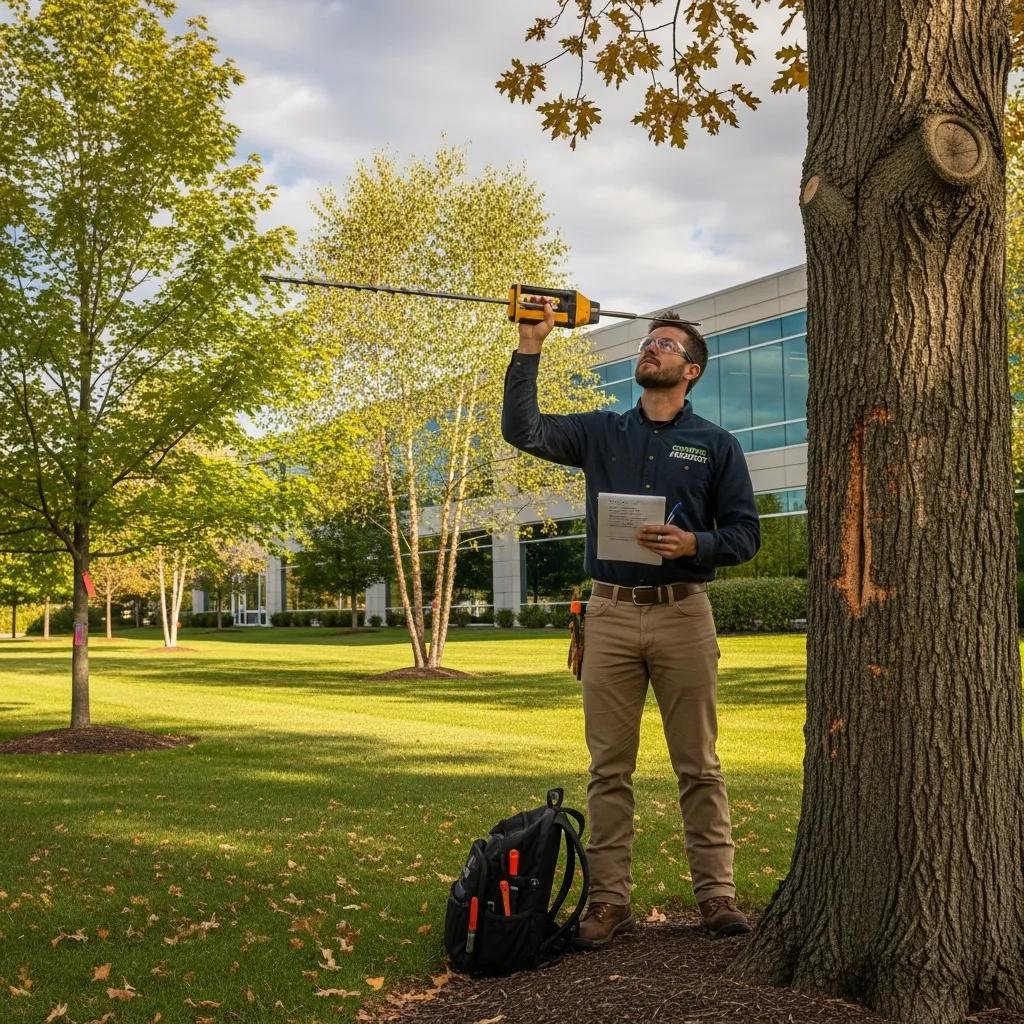
The process of conducting a professional tree risk assessment involves several key steps, ensuring a comprehensive evaluation of tree health and stability.
- Initial Consultation: A certified arborist meets with property managers to discuss specific concerns and objectives.
- Visual Inspection: The arborist conducts a thorough visual inspection of the trees, looking for signs of disease, structural defects, and other hazards.
- Detailed Reporting: After the inspection, a detailed report is generated, outlining findings and recommendations for risk mitigation.
What Are the Levels of Tree Risk Assessment and Their Uses?
Different levels of tree risk assessments cater to varying needs and complexities. The following table summarizes these levels:
| Assessment Level | Description | Use Case |
|---|---|---|
| Level 1: Limited Visual | Basic visual inspection to identify obvious hazards | Quick assessments for low-risk areas |
| Level 2: Basic Inspection | More detailed inspection including tree measurements and health evaluation | Regular monitoring of high-traffic areas |
| Level 3: Advanced Diagnostics | Comprehensive assessment involving advanced tools and techniques | In-depth analysis for high-value or at-risk trees |
This tiered approach allows businesses to choose the appropriate level of assessment based on their specific needs and risk profiles.
How Do Certified Arborists Conduct Tree Inspections and Hazard Identification?
Certified arborists play a crucial role in tree inspections and hazard identification. They utilize their expertise to assess tree health, structural integrity, and potential risks. Arborists are trained to recognize signs of disease, pest infestations, and structural defects that may not be apparent to the untrained eye. Their methodologies often include using specialized tools such as resistographs, sonic tomographs, and increment borers to measure tree stability and health, ensuring a thorough evaluation.
Which Tree Hazards Are Common on Commercial Properties and How Are They Identified?
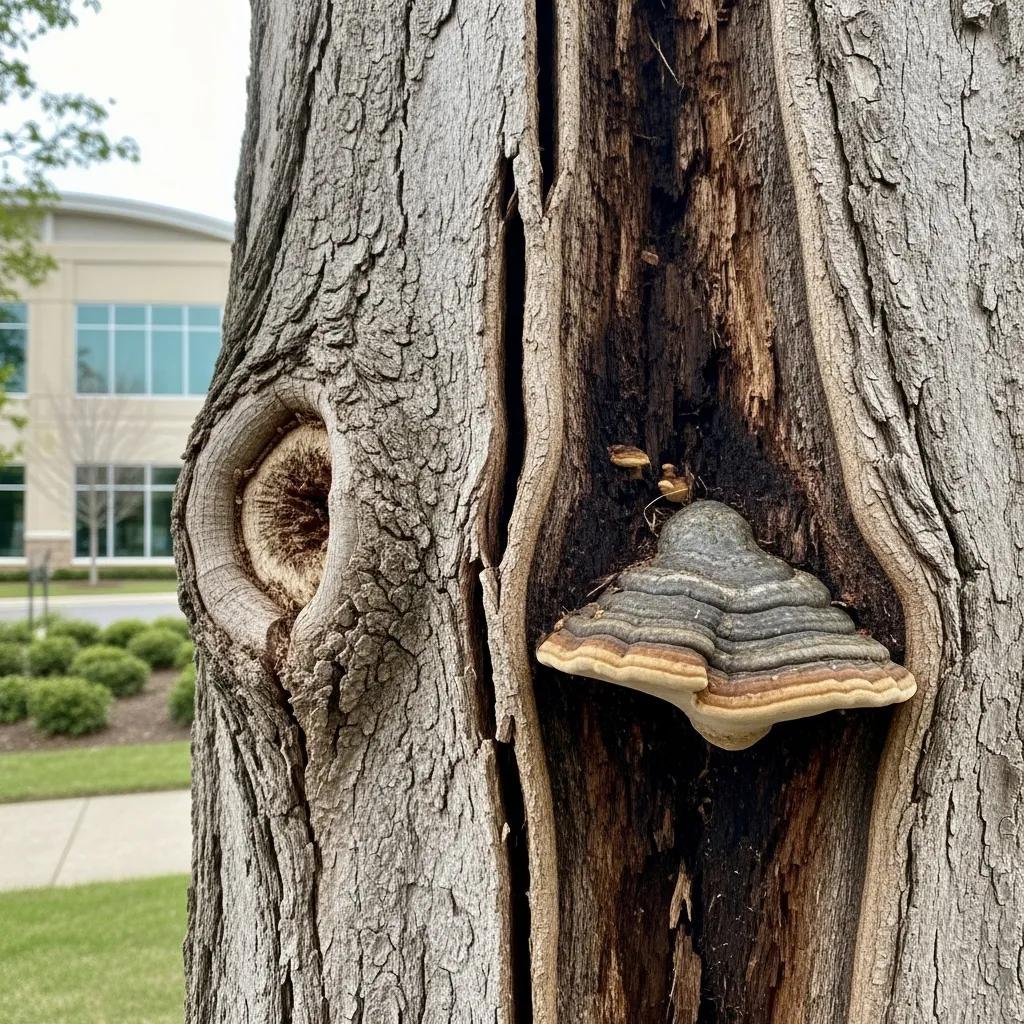
Commercial properties often face various tree hazards that can threaten safety and property integrity. Identifying these hazards is essential for effective risk management.
What Structural Defects and Diseases Pose Risks to Business Landscapes?
Common structural defects include cracks, splits, decay, included bark, and weak branch unions within the tree trunk or branches. Diseases such as root rot, cankers, and fungal infections can weaken trees, making them more susceptible to failure. Regular inspections help in identifying these issues early, allowing for timely intervention.
How Does Tree Hazard Assessment Protect Commercial Property Assets?
Tree hazard assessments protect commercial property assets by identifying risks before they escalate into serious problems. By addressing potential hazards, businesses can avoid costly damages and maintain the aesthetic appeal of their landscapes. Studies have shown that properties with proactive tree management experience fewer incidents of tree-related damage, ultimately preserving their value.
How Do Arborist Reports Support Commercial Property Management and Liability Protection?
Arborist reports are vital tools for commercial property management, providing detailed documentation of tree health and safety assessments. These reports can serve as legal documentation in case of disputes and are essential for insurance purposes.
What Information Is Included in a Certified Arborist Report for Businesses?
A certified arborist report typically includes the following key components:
- Assessment Findings: Detailed observations regarding tree health and stability.
- Recommendations for Action: Suggested measures for risk mitigation, such as pruning, cabling, or removal.
- Legal Documentation: Information that can support insurance claims or legal defenses.
How Do Tree Risk Management Plans Help Maintain Long-Term Property Safety?
Tree risk management plans are essential for maintaining long-term safety on commercial properties. These plans outline strategies for ongoing monitoring, maintenance, and risk mitigation. By implementing a structured approach to tree management, businesses can ensure the safety of their landscapes and protect their assets over time.
In conclusion, professional tree risk assessments are crucial for commercial properties to ensure safety, reduce liability, and comply with regulations. By understanding the assessment process and the common hazards associated with trees, businesses can take proactive steps to protect their assets and enhance the safety of their environments.