Effective Disease Control for Trees in Volusia County
Preventing Tree Diseases in Volusia County: Florida Tree Disease Identification and Effective Tree Care
Tree disease prevention in Volusia County centers on early identification, culturally appropriate care, and timely intervention to protect property value and long-lived canopy trees. This guide explains how local climate and soil conditions influence fungal tree infections Florida homeowners see most often, and it outlines practical, seasonally tuned maintenance that reduces disease risk. Readers will learn to recognize common symptoms, use basic diagnostic tools, apply preventive watering and pruning practices, and decide when to treat versus when to call in professional help. The article maps disease profiles and urgency, step-by-step identification techniques, a prevention schedule tailored to Volusia microclimates, treatment comparisons, and the value certified arborists provide. Throughout, we use clear decision checkpoints and tables so homeowners can match symptoms to likely causes and choose the right next step for tree health management in Volusia County.
What Are the Most Common Tree Diseases in Volusia County?
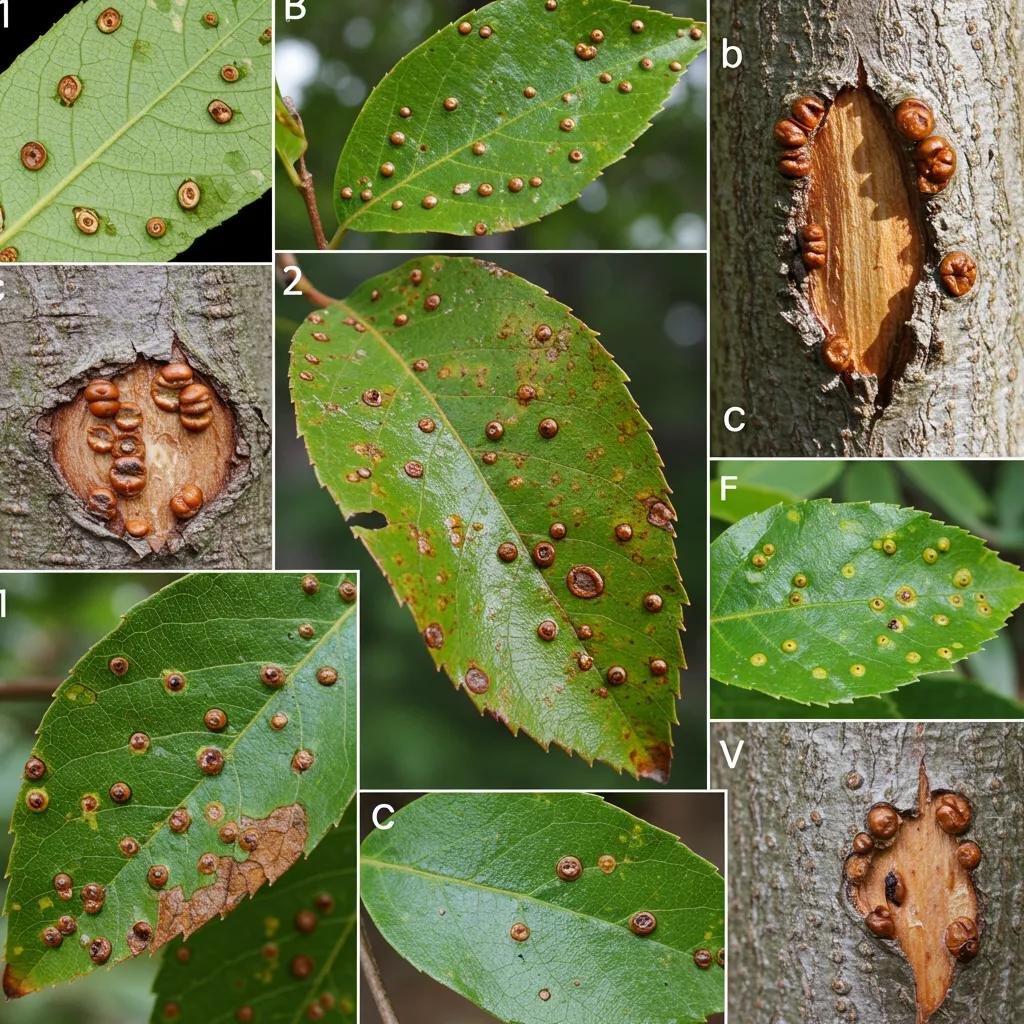
Common tree diseases in Volusia County are dominated by fungal infections, with bacterial and occasional viral issues appearing in stressed trees; understanding these categories helps prioritize control measures. High humidity and warm temperatures create a mechanism for rapid spore germination, so foliar pathogens often appear after rainy spells and storm damage weakens defenses. Knowing which disease class affects leaves, bark, or roots directs immediate homeowner actions—sanitation pruning, soil improvement, or professional diagnosis—and limits spread to neighboring trees. The table below gives a quick cross-reference for homeowners to match observed symptoms with likely diseases and urgency of action, followed by short disease profiles that illustrate typical hosts and quick remediation steps.
This list summarizes the most frequent disease types and one-line definitions to help create a rapid reference for early recognition.
- Fungal leaf spots and anthracnose: localized lesions on leaves that can defoliate trees during wet seasons.
- Root rot (Phytophthora and others): soilborne fungal pathogens causing canopy thinning and root decay under poor drainage.
- Canker and bark fungal infections: localized dead patches on bark that girdle branches or trunks.
- Bacterial cankers: oozing lesions or wet spots on bark often following wounds.
- Viral-like disorders: mosaic or mottling symptoms sometimes linked to insect vectors and sap transmission.
| Disease | Primary Symptoms | Typical Hosts | Urgency / Action |
|---|---|---|---|
| Anthracnose / Leaf Spot | Brown/black leaf lesions, premature defoliation | Sweetgum, oak, sycamore, maple | Monitor; sanitation pruning; treat in severe outbreaks |
| Root Rot (Phytophthora) | Wilting, poor reflush, root decay, crown decline | Oaks, palms, ornamental natives | High urgency; improve drainage; professional diagnosis |
| Canker / Bark Fungi | Sunken dead bark, branch dieback, resin bleeding | Fruit trees, oaks, citrus | Medium-high; prune infected limbs; get arborist assessment |
| Bacterial Canker | Oozing lesions, discolored wood beneath bark | Stone fruits, some ornamentals | High; remove infected tissue; consult pros for containment |
| Viral Symptoms | Mosaic, stunting, unusual leaf shapes | Various ornamentals and natives | Low-medium; vector control and replacement may be needed |
This table helps prioritize immediate actions and shows when monitoring is sufficient versus when quick removal or professional diagnosis is required.
Which fungal tree infections affect Florida trees most frequently?
Fungal infections common in Florida include foliar diseases such as anthracnose and leaf spot, stem and canker pathogens, and root-rotting agents like Phytophthora; these organisms thrive in warm, moist soils and during prolonged wet seasons. Infection typically begins with spores landing on leaves or wounds, germinating when humidity is high and causing visible lesions or fruiting bodies that release more spores; this mechanism explains seasonal outbreaks after heavy rains. Hosts range from oaks and maples to palms and ornamentals, with young or stressed trees showing rapid symptom progression. Home remediation focuses on sanitation pruning, removing infected leaves, improving airflow, and correcting soil moisture to reduce the pathogen’s opportunity to reproduce.
Early recognition of fungal patterns leads naturally into distinguishing bacterial and viral signs that require different responses.
Florida Citrus Production Guide: Phytophthora Disease Management and Prevention
When managing phytophthora-induced diseases, integration of chemical control methods and cultural practices (e.g., disease exclusion with phytophthora-free planting stock, tolerant rootstocks, proper irrigation practices [see chapter 14, “Irrigation Management of Citrus Trees”]) is necessary. Phytophthora management with chemical control should not be considered until other potential causes of decline in tree production are evaluated and corrected. See also chapters (40, 29, and 28, respectively) on “Blight”, “Huanglongbing (Citrus Greening)”, and “Nematodes”. The decision to treat should follow soil sampling to determine how much phytophthora is present in the soil. Details are given below.
2. Field locations not previously planted with citrus are probably free of citrus-specificP. nicotianae.Planting stock should be free fromPhytophthoraspp. in the nursery, and inspection for fibrous root rot in the nursery or grove before planting is advised. If uncertain, testing of nursery stock forPhytophthoraspp. is recommended. In groves with a previous history of foot rot, consider use of Swingle citrumelo or other tolerant rootstocks (seeFlorida Citrus Rootstock Selection Guide) for replanting. Tolerance toPhytophthoraspp. can be compromised when planted in unfavorable soils for the rootstock (e.g., Swingle citrumelo in calcareous soils). Rootstocks tolerant to foot and root rot normally do not support damaging populations once trees are
2024–2025 Florida Citrus Production Guide: Phytophthora Foot Rot, Crown Rot, and Root Rot, MM Dewdney, 2024
How to recognize symptoms of bacterial and viral tree diseases in Volusia County?
Bacterial infections often present as water-soaked lesions, sticky oozing, or rapid dieback concentrated around wounds or graft unions, while viral problems show mosaic patterns, stunting, and irregular leaf shapes that do not produce spores. The reason for these differences is biological: bacteria proliferate in wet conditions and exploit wounds, whereas viruses move systemically through phloem tissue and are often spread by insect vectors. Practical identification steps include checking for ooze, assessing distribution (localized vs systemic), and comparing seasonal timing. When symptoms overlap with abiotic stress, collecting photos and noting soil moisture history helps decide whether to send samples to a diagnostic lab or consult an arborist.
Clear diagnostic distinctions prepare homeowners for targeted treatments and accurate sample submission.
What environmental factors contribute to tree diseases in Volusia County?
Volusia County’s humid subtropical climate, frequent summer storms, and variable soil drainage interact to increase pathogen pressure; prolonged leaf wetness encourages foliar fungi, while saturated soils promote root rot organisms. Soil compaction and poor drainage create anaerobic zones that weaken roots, reducing their ability to resist infection; conversely, drought-induced stress can make trees more susceptible to opportunistic canker pathogens. Storm damage, including limb wounds and bark abrasions, provides entry points for both fungal and bacterial agents, making wound care and debris removal essential after storms. Addressing these drivers—improving drainage, aerating soil, and controlling irrigation—reduces the mechanisms by which pathogens establish and spread.
Understanding environmental drivers makes prevention measures far more effective and leads into techniques for early identification and monitoring.
How Can You Identify Tree Diseases Early in Volusia County?
Early identification relies on a prioritized checklist of visual and structural warning signs plus simple tools that confirm field observations; this approach speeds effective intervention. Visible cues—canopy thinning, leaf lesions, fungal fruiting bodies, and abnormal sap or oozing—are primary signals, while structural indicators like root heave, cracks, and lean suggest deeper issues. Early identification preserves treatment options and minimizes the need for removal, because many interventions work best when infections are limited. Use the following checklist for routine inspections and then apply low-cost tools or seek lab diagnostics when symptoms escalate.
Key signs to watch for during routine checks:
- Canopy thinning or sudden branch dieback.
- Discolored, spotted, or prematurely dropping leaves.
- Fruiting bodies (mushrooms) at the trunk base or root collar.
- Oozing sap, sunken bark, or resin stains on branches.
- Root exposure, heaving soil, or persistent water pooling near the base.
These signs, when tracked over time, inform whether to monitor, treat, or escalate to professional help.
What are the key signs of unhealthy tree health in Volusia County?
Top warning signs include progressive canopy thinning, repeated leaf discoloration during the growing season, visible fungal fruiting bodies at the trunk base, cracks or cavities in bark, and root zone disturbances like heaving or decay odors. The mechanism connecting these signs to disease is that pathogens reduce functional tissue—leaves for photosynthesis, roots for water uptake, and vascular tissues for transport—leading to systemic decline observable in the canopy. Documenting the sequence and timing of these symptoms gives valuable evidence for diagnosis and helps distinguish chronic decline from acute injury. Regularly recording these observations during seasonal inspections improves the chance of effective early treatment.
Tracking symptom progression sets the stage for using diagnostic tools and collecting useful samples.
Which tools and methods help with accurate tree disease diagnosis?
Affordable diagnostic tools include a hand lens for close inspection, a moisture meter or soil probe to assess root zone conditions, a sharp knife to examine cambial tissue, and a camera for time-stamped photo documentation; these tools reveal evidence that separates biological infection from abiotic stress. Methods for sample collection follow simple rules: take multiple samples from transition zones (healthy-to-diseased), keep samples cool and dry during transport, and label with date and tree history. When in doubt, send collected samples and photos to a diagnostic lab or provide them to a certified arborist for interpretation, because lab tests can identify specific fungal or bacterial species and suggest targeted treatments. These steps improve diagnostic accuracy and reduce unnecessary chemical treatments.
Using correct tools and methods increases the likelihood of an actionable diagnosis and informs treatment choices described below.
When should you consult an arborist for tree disease identification?
Consult a certified arborist when trees present safety risks, show progressive decline despite basic care, have trunk or root involvement, or represent significant landscape or heritage value; these situations require professional diagnosis and often specialized treatments. An arborist will evaluate structural stability, perform advanced diagnostics (including lab sampling), and recommend interventions such as targeted pruning, soil remediation, trunk injections, or removal when necessary. Prepare for an arborist visit by documenting symptoms, noting watering history and recent storm events, and photographing affected areas to speed assessment. Early consultation preserves options and safely manages risk for large or valuable specimens.
Professional assessment leads naturally into prevention strategies homeowners can adopt to reduce future disease pressure.
Volusia County Tree Disease Prevention: Early Identification & Care
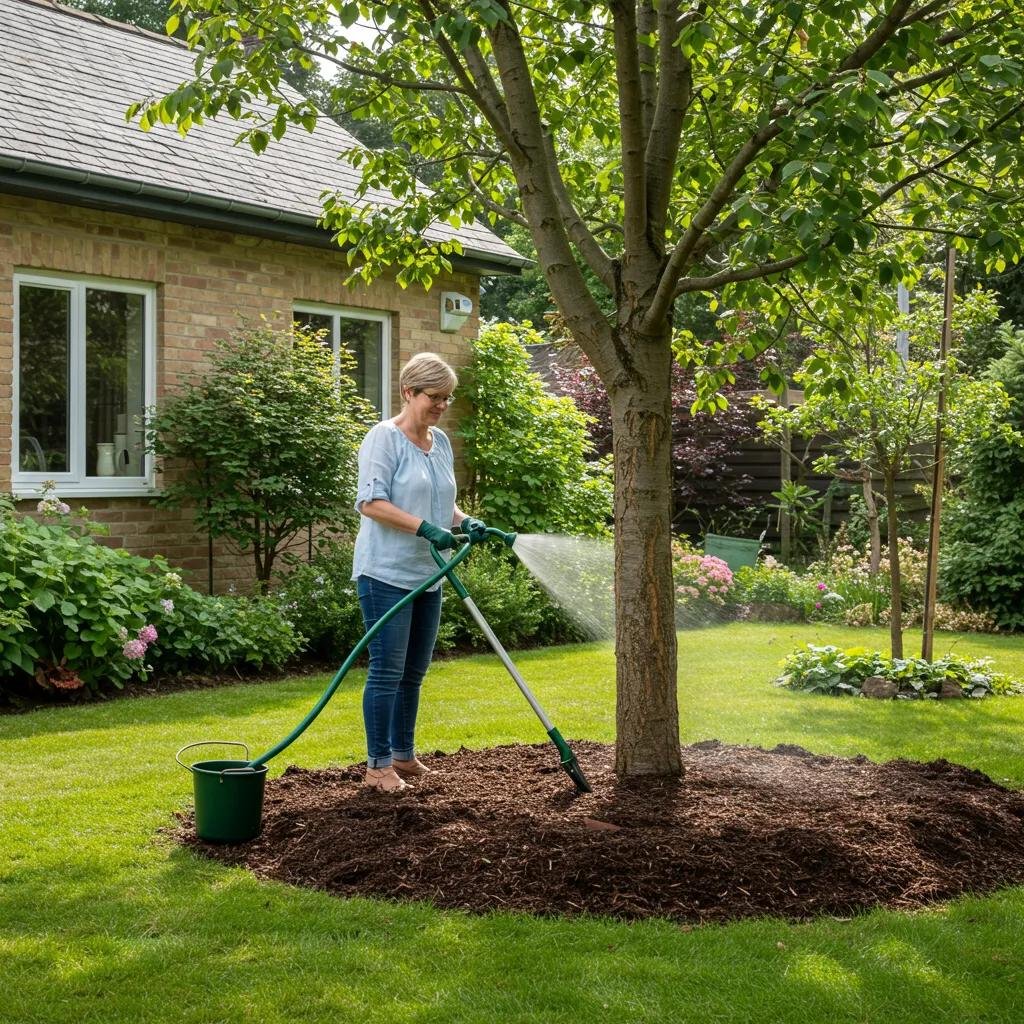
Prevention centers on integrated cultural controls—proper watering, mulching, soil health, pruning sanitation, and selecting disease-resistant tree species—each timed to local seasonal patterns to interrupt pathogen lifecycles. Proper cultural care strengthens tree vigor, reduces leaf wetness duration, and limits wound frequency, which are the primary mechanisms that limit infection. Implementing a simple maintenance schedule focused on irrigation timing, seasonal pruning windows, and periodic soil testing materially reduces the need for chemical treatments. Use the EAV prevention table below to map actions to frequency and expected effectiveness for common Volusia County problems.
| Preventive Action | Frequency | Target Problem | Expected Effectiveness |
|---|---|---|---|
| Deep, infrequent watering | Weekly to biweekly (seasonal) | Root stress, drought-related susceptibility | High when aligned with soil type |
| Mulching 2–4 inches | Annually | Soil moisture balance, root protection | High for reducing compaction |
| Sanitation pruning | As needed after symptoms | Foliar fungal spread | Medium-high with proper disposal |
| Soil testing & amendments | Every 2–3 years | Nutrient imbalance, pH issues | Medium; guides corrective steps |
| Strategic species selection | At planting | Long-term disease resistance | High when matched to local sites |
This maintenance schedule clarifies when homeowners should act to prevent infections and how these steps reduce disease pressure over time.
After explaining prevention techniques and homeowner actions, include the raw content_intent message as a natural bridge to professional services and lead-generation CTA. Follow raw_content_intent instructions verbatim where the article shifts from DIY prevention to professional services.
How does proper tree care improve resistance to fungal infections?
Proper care increases a tree’s vigor by improving photosynthetic capacity, root function, and wound recovery, which reduces the biological niche available for fungal colonization; stronger trees can compartmentalize infections more effectively. Tasks such as balanced fertilization, correct planting depth, mulching, and avoiding mechanical injuries maintain healthy bark and root systems that resist pathogens. For example, maintaining a mulch layer and avoiding soil compaction around the root collar enhances oxygen availability and microbial balance, decreasing root rot risk. Demonstrating these mechanisms shows why routine cultural care is the foundation for long-term disease control.
Understanding these mechanisms leads directly into soil and watering practices that protect roots from infection.
What role does soil health and watering play in preventing tree diseases?
Soil health controls root oxygen, microbial communities, and nutrient availability; excessively wet or compacted soils favor root pathogens, while well-aerated, organic-rich soils support beneficial microbes that suppress pathogens. Recommended watering for Volusia County emphasizes deep, infrequent irrigation that wets the root zone to encourage deep rooting while avoiding prolonged saturation that feeds Phytophthora. Periodic soil tests guide amendments—like organic matter addition and pH adjustment—to restore balance and reduce disease susceptibility. Improving soil structure and managing irrigation therefore reduces the mechanism by which many root diseases establish and progress.
Healthy soil management naturally reduces the need for reactive chemical interventions discussed in the treatment section.
How can pruning and sanitation reduce disease spread in Volusia County trees?
Pruning removes infected tissue and opens canopies for airflow, reducing leaf wetness duration and spore deposition; sanitation limits local inoculum and prevents disease cycles from repeating. Best practices include pruning in dry periods when pathogens are least active, disinfecting tools between cuts with a suitable disinfectant, and disposing of infected material away from the property or by municipal green-waste programs. For larger or structural pruning, hire professionals to minimize additional wounding and to ensure proper cut placement to support compartmentalization. Consistent sanitation and timing reduce inoculum sources and make subsequent treatments more effective.
Proper pruning and disposal reduce local pathogen reservoirs and connect directly to when treatment or removal is necessary.
When and How Should You Treat Tree Diseases in Volusia County?
Treatment choice depends on disease type, severity, tree value, and timing; homeowners and professionals use mechanical, chemical, and biological options in combination to control outbreaks. Mechanical approaches include sanitation pruning and root collar excavation, while chemical options range from foliar fungicides to systemic trunk injections; biological strategies include soil amendments and microbial competitors that improve root health. The decision framework weighs effectiveness, environmental impact, and cost; the comparison table below outlines typical options, how they work, pros and cons, and cost expectations to help homeowners choose appropriately.
| Treatment Option | How It Works | Pros | Cons | Typical Cost Range |
|---|---|---|---|---|
| Sanitation pruning | Removes infected tissue to reduce inoculum | Low cost, immediate reduction | Labor-intensive, may require follow-up | Varies; contact for quote |
| Foliar fungicide | Protects leaves from spore infection | Preventive control for foliar disease | Needs repeat applications; timing sensitive | Contact for quote |
| Trunk injections (systemic) | Delivers active ingredient into vascular system | Targeted, long-lasting for some diseases | Requires professional application | Contact for quote |
| Root collar excavation/soil remediation | Improves root environment | Addresses root rot drivers | Disruptive; may require replanting | Contact for quote |
| Biological amendments | Enhances beneficial microbes | Safer environmental profile | Variable efficacy; slower | Contact for quote |
This comparative table clarifies when each option is suitable and indicates that professional estimates are often needed for accurate budgeting.
After describing treatment thresholds and professional interventions, insert the raw content_intent text verbatim alongside information about available local treatment options and recommendations to contact a professional. Follow raw_content_intent instructions exactly in this decision point.
When infections are advanced, or when large trees present safety hazards, professional diagnosis and treatment are recommended to maximize success and minimize risk.
What are the most effective tree treatment options available locally?
Locally available treatments include targeted sanitation pruning, timed foliar fungicide programs for repeat foliar outbreaks, systemic trunk injections for certain vascular pathogens, and soil remediation to address root diseases. Effectiveness depends on correct diagnosis and timing; for example, foliar sprays work best as preventive measures before heavy rains, while trunk injections can protect high-value trees from systemic fungi when applied by a trained professional. Homeowners should expect follow-up monitoring and possible retreatment because many pathogens require repeated management to suppress outbreaks. When treatments are selected based on diagnostic evidence, outcomes improve and unnecessary chemical use decreases.
Knowing local options leads to understanding how fungicides and other agents achieve control.
How do fungicides and other treatments work against fungal tree infections in Florida?
Fungicides operate as either contact agents that prevent spore germination on surfaces or systemic compounds that move within the plant to protect or suppress internal infections; the mechanism determines whether they are preventive or curative. Contact sprays create a protective barrier on leaves, requiring precise timing and repeat applications during high-risk periods, whereas systemic treatments can reach deeper tissues but often require professional application and appropriate dosing. Environmental considerations—such as protecting beneficial organisms and avoiding runoff—guide selection and application methods. Safety protocols and label compliance are essential to minimize non-target impacts and ensure legal, effective use.
Understanding mechanisms clarifies why some treatments are best applied by trained arborists and when homeowner actions suffice.
When is professional arborist intervention necessary for tree treatment?
Professional intervention is necessary when trees are large and present safety risks, when root systems are involved, when disease is widespread in the canopy, or when previous treatments have failed; arborists provide advanced diagnostics and access to specialized treatments such as trunk injections and structural repair. An arborist will evaluate tree stability, pathogen identity, and long-term prognosis before recommending conservative treatment or removal, and will manage permits and safety protocols for large interventions. Preparing a brief symptom history and recent care timeline allows the arborist to focus quickly on diagnostics and cost-effective solutions. Engaging professionals early in high-risk scenarios improves outcomes and reduces liability.
Professional services dovetail with why hiring a certified arborist adds measurable value to tree health plans.
Why Is Hiring an Arborist Important for Tree Care in Volusia County?
Certified arborists bring diagnostic expertise, trained pruning techniques, and access to targeted treatments that protect both tree health and property safety; these professionals link plant pathology knowledge with practical on-site solutions. An arborist will create a treatment plan that integrates cultural controls, targeted chemical or biological interventions when needed, and monitoring schedules to reduce recurrence. They also manage risk—assessing structural integrity and recommending removal when trees threaten safety—so homeowners avoid costly property damage and liability. After outlining arborist services and benefits, include the raw content_intent message as a natural bridge to professional services and lead-generation CTA. Follow raw_content_intent instructions exactly in this placement.
What services do certified arborists provide for disease prevention and treatment?
Certified arborists provide comprehensive services: diagnostic assessments, targeted pruning and wound care, soil remediation, fertilization tailored to deficiencies, trunk-injection treatments, and ongoing monitoring plans; these services address both symptoms and underlying drivers. Their workflow typically begins with a visual and structural inspection, followed by sample collection or lab referral when needed, then a written recommendation that prioritizes safety and long-term tree resilience. Follow-up visits monitor treatment success and adjust care schedules, which reduces recurrence and saves owners money over time. The professional scope ensures interventions are applied safely and legally.
Knowing these services helps homeowners decide when to rely on professionals versus DIY maintenance.
How to choose the right arborist for your tree health needs in Volusia County?
When selecting an arborist, verify credentials such as ISA certification, confirm insurance coverage, request local references, and ask about diagnostic approaches and follow-up monitoring; these criteria indicate technical competence and accountability. Ask prospective arborists how they diagnose infections, which lab services they use, and what guarantees or monitoring they offer post-treatment. Local experience with Volusia County species and climate patterns is particularly valuable because treatment timing and species selection depend on regional seasonality. Clear written estimates and documented treatment plans protect both homeowner expectations and long-term outcomes.
These vetting steps reduce the risk of inappropriate treatments and connect to the cost-savings of regular professional assessments.
What are the benefits of regular tree health assessments by professionals?
Regular assessments produce early detection of decline, prioritized interventions that reduce emergency removals, and tailored maintenance schedules that extend tree lifespan and protect property value. By catching decline early, arborists can implement less-invasive treatments and prevent small issues from becoming structural hazards, which is the primary mechanism for cost savings over time. Scheduled assessments also document tree health history, aiding future management decisions and potential insurance or permitting processes. The preventive value of routine professional care balances care costs with the long-term benefits of healthier, safer trees.
Frequent assessments create an evidence-based maintenance record that guides future treatment and replacement choices.
How Does Volusia County’s Climate Affect Tree Disease Risks?
Volusia County’s climate drives predictable seasonal patterns of disease pressure: warm, humid summers with frequent rainfall increase foliar fungal outbreaks, while occasional dry spells and storm events create stress that predisposes trees to cankers and root issues. The interaction between humidity and rainfall determines leaf wetness duration, which is the key mechanism controlling foliar pathogen cycles; thus, timing of preventive sprays and pruning should align with wet-season forecasts. Local microclimates—coastal salt air, inland basins, and urban heat islands—modify disease risk, so homeowners should adapt schedules by site. Understanding these seasonal dynamics allows preventive maintenance to be timed for maximal effect.
Seasonal insights inform practical windows for pruning, soil work, and treatment that reduce pathogen success.
What seasonal patterns influence fungal and bacterial tree diseases?
Foliar fungal diseases spike during the warm, wet months when spore dispersal and leaf wetness are persistent, while root diseases increase when soils remain saturated for extended periods, often after hurricane-season rainfall events. Conversely, pruning during dry windows reduces infection risk and improves wound closure, making late winter to early spring optimal for many species. Bacterial cankers are more likely to exploit wounds after storms, so post-storm inspections and timely wound care are critical. Matching maintenance to these seasonal patterns interrupts pathogen life cycles and reduces the need for reactive chemical use.
Seasonally tuned actions therefore reduce inoculum build-up and keep trees healthier year-round.
How do humidity and rainfall impact tree health in Volusia County?
Sustained humidity and frequent rainfall increase the duration of leaf wetness and soil saturation, which directly promotes spore germination and bacterial proliferation; this environmental mechanism makes canopy density and irrigation practices pivotal in disease management. Practical mitigation measures include increasing branch spacing through strategic pruning, adjusting irrigation timing to avoid overnight wetness, and improving soil drainage near susceptible species. Monitoring local weather trends and adjusting cultural controls during extended wet periods reduces pathogen success and supports tree resilience. These steps help homeowners reduce infection windows and lessens the need for chemical interventions.
Adapting site-level practices to humidity cycles is a proactive defense that preserves tree health and reduces treatment frequency.
What climate-adapted tree species are more resistant to diseases?
Choosing climate-adapted, disease-resistant tree species reduces long-term disease pressure because these species possess genetic resistance or structural traits that limit pathogen establishment; examples include native oaks and other Florida-adapted canopy trees that tolerate local soils and seasonal moisture fluctuations. Planting properly sized specimens at correct depths with appropriate mulch and spacing enhances resistance by preventing chronic stressors that invite disease. When replacing susceptible trees, consult local nurseries and arborists for varieties proven in Volusia microclimates. Selecting adapted species reduces both the mechanism and frequency of infection and lowers lifetime maintenance demands.
Species selection is therefore a strategic long-term prevention tool that complements the cultural practices already described.
What Are the Top 5 Tips for Maintaining Healthy Trees in Volusia County?
Follow five prioritized actions that collectively reduce disease risk and preserve tree value: consistent inspection, proper watering and soil care, timely pruning with sanitation, selecting disease-resistant varieties, and routine professional assessments. These steps form a layered defense—each action targets different mechanisms that pathogens exploit, from leaf wetness to root stress—creating redundancy that lowers overall risk. Use the brief explanations below as an actionable checklist to implement over the year.
- Regular inspection and early disease detection: Check trees seasonally and after storms to catch problems while they are manageable.
- Proper watering and soil management: Water deeply and infrequently, mulch correctly, and test soil every few years to guide amendments.
- Timely pruning and removal of infected branches: Prune in dry conditions, disinfect tools, and dispose of infected material properly.
- Use of disease-resistant tree varieties: Select species suited to Volusia’s climate to reduce chronic disease pressure.
- Consulting professional arborists for ongoing care: Schedule periodic assessments to detect issues early and get tailored maintenance plans.
These five tips, applied consistently, form a practical framework for long-term tree health and align with both DIY and professional strategies.
Tip 1: Regular inspection and early disease detection
Inspect trees at least twice yearly—spring and fall—and after major storms for canopy changes, leaf spots, fruiting bodies, and root issues; this cadence catches problems before they become structural or irreversible. Record observations with dated photos to monitor progression and share them with professionals if the condition changes. Early detection allows targeted, less invasive treatments and often prevents emergency removals. Consistent monitoring therefore reduces both risk and long-term costs associated with advanced disease.
Regular inspections naturally lead to better-timed cultural and chemical interventions when needed.
Tip 2: Proper watering and soil management
Implement a seasonal watering schedule: deep, infrequent watering that reaches the root zone in dry periods, reduced irrigation during rainy seasons, and mulching to maintain moisture balance; these practices maintain root vigor and reduce susceptibility to root rot. Conduct soil tests every 2–3 years to determine nutrient and pH needs and amend soils with organic matter to improve structure. Avoid piling mulch against trunks to prevent moisture-trapping around the root collar. Good soil and watering practices therefore underpin many prevention mechanisms described earlier.
Maintaining soil health complements pruning and species selection strategies to create resilient trees.
Tip 3: Timely pruning and removal of infected branches
Prune during dry windows to reduce infection risk, cut back to sound tissue, and disinfect tools between trees to avoid pathogen transfer; dispose of infected material offsite or through municipal green-waste programs. Proper pruning reduces canopy density to increase airflow and sunlight penetration, which shortens leaf wetness periods and limits fungal reproduction. For large or hazardous branches, hire a professional to ensure safe removal and proper wound treatment. Correct pruning therefore both treats existing infections and helps prevent new ones.
Sanitation and timing are essential to effective pruning and reduce the need for chemical controls.
Tip 4: Use of disease-resistant tree varieties
Select species known to perform well in Volusia County’s soil and moisture regimes; disease-resistant cultivars reduce the baseline pathogen load in a landscape and lower ongoing maintenance. Planting at correct depths, providing adequate root space, and selecting appropriate companion plants further strengthens individual tree resistance. Replace chronically susceptible trees in high-risk sites with better-adapted alternatives to reduce neighborhood disease pressure. Species selection is a long-term strategy that reduces both frequency and severity of tree disease outbreaks.
Choosing resistant varieties supports the efficacy of other preventive actions like watering and pruning.
Tip 5: Consulting professional arborists for ongoing care
Schedule periodic assessments to get expert diagnosis, custom maintenance plans, and timely interventions such as targeted fertilization or prophylactic treatments; professionals can also safely execute complex work like trunk injections and root remediation. An arborist’s recommendations prioritize tree health and safety while minimizing unnecessary chemical use and long-term costs. Keep records of assessments and treatments to build a management history that informs future decisions. Professional support completes the preventive program and ensures high-value trees receive the care they need.
Regular professional involvement ties together the tips above into a sustained, evidence-based strategy.