Combat Laurel Wilt Disease: Tips for Florida Residents
Laurel Wilt in Florida: Symptoms, Treatment & Prevention
Laurel wilt disease poses a significant threat to various tree species in Florida, particularly redbay, avocado, and sassafras trees. This article aims to provide homeowners with a comprehensive understanding of laurel wilt disease, including its symptoms, treatment options, and prevention strategies. By recognizing the signs of this disease early, homeowners can take proactive measures to protect their trees and landscapes. The article will cover key symptoms of laurel wilt disease, the role of the redbay ambrosia beetle in its spread, effective treatment and prevention strategies, and how homeowners can manage the disease on their properties.
What Are the Key Symptoms of Laurel Wilt Disease in Florida Trees?
Laurel wilt disease manifests through several distinct symptoms that can help homeowners identify affected trees early. Recognizing these symptoms is crucial for effective management and treatment.
How to Identify Wilting and Leaf Discoloration in Affected Trees
One of the primary symptoms of laurel wilt disease is wilting leaves, which may appear droopy and discolored. Affected trees often show a rapid decline in leaf health, with leaves turning dark green to brown before falling off. This wilting is caused by the blockage of water transport within the tree due to the disease’s impact on the vascular system. Homeowners should look for these visual cues, as early detection can significantly improve the chances of managing the disease effectively.
What Are the Signs of Redbay Ambrosia Beetle Infestation?
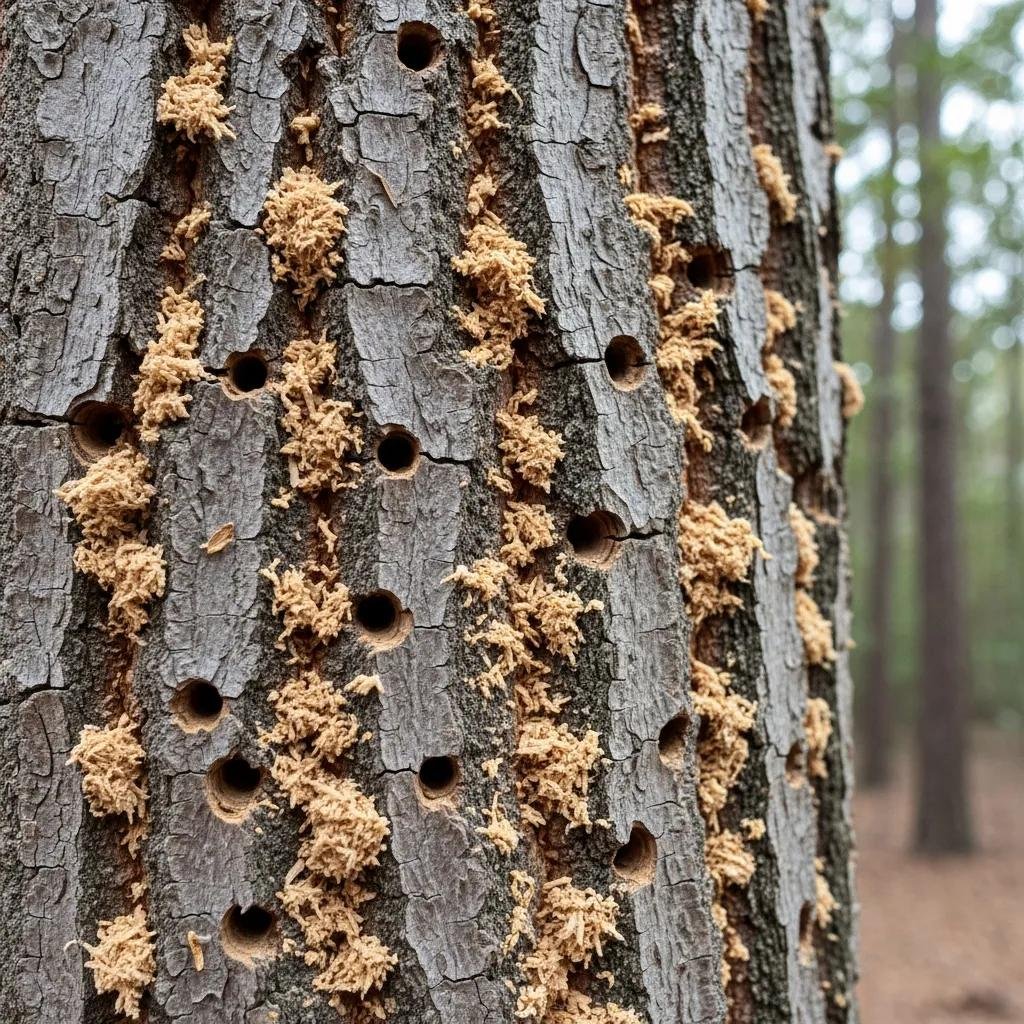
The redbay ambrosia beetle is the primary vector for laurel wilt disease, and its presence can be identified through specific signs. Homeowners should look for frass, which is a sawdust-like material that the beetles create as they bore into the bark. Additionally, small, round boreholes in the bark can indicate beetle activity. These signs are critical for understanding the extent of the infestation and the potential spread of laurel wilt disease in the area.
How Does the Redbay Ambrosia Beetle Spread Laurel Wilt Disease?
Understanding the life cycle of the redbay ambrosia beetle is essential for homeowners to grasp how laurel wilt disease spreads. The beetle plays a pivotal role in the transmission of the fungus responsible for the disease.
What Is the Life Cycle of the Redbay Ambrosia Beetle?
The redbay ambrosia beetle undergoes a complete metamorphosis, including egg, larval, pupal, and adult stages. Adult beetles emerge primarily in the spring and summer and seek out host trees to infest. Once they bore into the bark, they introduce the fungus Raffaelea lauricola, which disrupts the tree’s vascular system. Understanding this life cycle helps homeowners recognize the timing of potential infestations and the importance of monitoring their trees during peak beetle activity.
How Does Beetle Activity Facilitate Disease Transmission?
Beetle activity is crucial for the spread of laurel wilt disease. As the beetles infest trees, they not only introduce the fungus but also create pathways for its rapid spread. Environmental factors, such as humidity and temperature, can influence beetle populations and their activity levels. Homeowners should be aware of these conditions, as they can impact the likelihood of infestation and the subsequent spread of the disease.
What Are Effective Treatment and Prevention Strategies for Laurel Wilt?
Managing laurel wilt disease requires a combination of treatment and prevention strategies. Homeowners can take proactive steps to protect their trees and mitigate the impact of the disease.
Can Preventative Fungicide Injections Protect High-Value Trees?
Preventative fungicide injections can be an effective strategy for protecting high-value trees from laurel wilt disease. These injections deliver fungicides directly into the tree’s vascular system, helping to inhibit the growth of the fungus. Homeowners should consult with tree care professionals to determine the best timing and products for these treatments, as early intervention is key to success. However, fungicide treatments are generally more effective when combined with other management practices and are not a guaranteed cure.
Why Is Early Tree Removal Critical to Disease Management?
Early removal of infected trees is critical to managing laurel wilt disease effectively. Infected trees can serve as a source of the fungus, leading to further spread to healthy trees in the vicinity. Homeowners should act quickly to remove and properly dispose of infected trees to prevent the disease from taking hold in their landscapes. This proactive approach not only protects other trees but also enhances the overall health of the ecosystem.
How Can Florida Homeowners Manage Laurel Wilt Disease on Their Property?
Homeowners play a vital role in managing laurel wilt disease on their properties. By understanding local resources and best practices, they can effectively combat this threat.
What Professional Tree Removal Services Are Available in Volusia County?
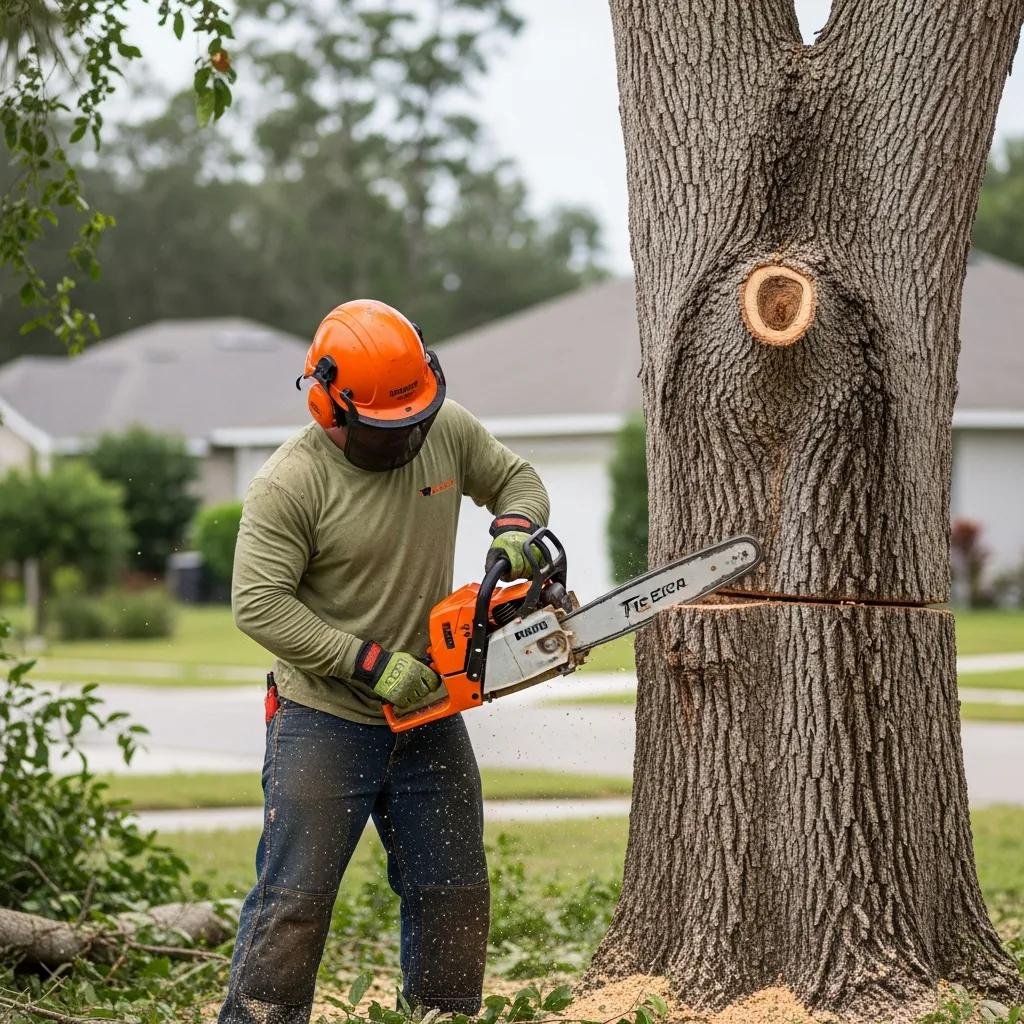
In Volusia County, homeowners can access professional tree removal services to assist with managing laurel wilt disease. Companies like Volusia Bobcat & Tree Service LLC specialize in tree care and removal, offering expertise in identifying and safely removing infected trees. Their services ensure that homeowners can effectively manage the disease while prioritizing safety and environmental responsibility.
How to Properly Dispose of Laurel Wilt Infected Wood to Prevent Spread?
Proper disposal of laurel wilt infected wood is essential to prevent the spread of the disease. Homeowners should avoid leaving infected wood on-site, as it can harbor the fungus and attract beetles. Instead, infected wood should be chipped, burned, or buried deeply to prevent beetle colonization. Following local regulations and guidelines for disposal is crucial to ensure that the disease does not spread further in the community.
| Treatment Strategy | Description | Effectiveness |
|---|---|---|
| Preventative Fungicide Injections | Directly inject fungicides into the tree’s vascular system to inhibit fungal growth. | Moderate to High (when combined with other methods) |
| Early Tree Removal | Remove infected trees promptly to prevent the spread of the disease to healthy trees. | Critical |
| Proper Wood Disposal | Dispose of infected wood through chipping, burning, or deep burial to eliminate potential sources of infection. | Essential |
Laurel wilt disease poses a significant threat to Florida’s trees, particularly those susceptible to the redbay ambrosia beetle. By understanding the symptoms, treatment options, and prevention strategies, homeowners can take proactive measures to protect their properties. Engaging with professional tree care services, such as Volusia Bobcat & Tree Service LLC, can further enhance management efforts and ensure the health of local ecosystems.